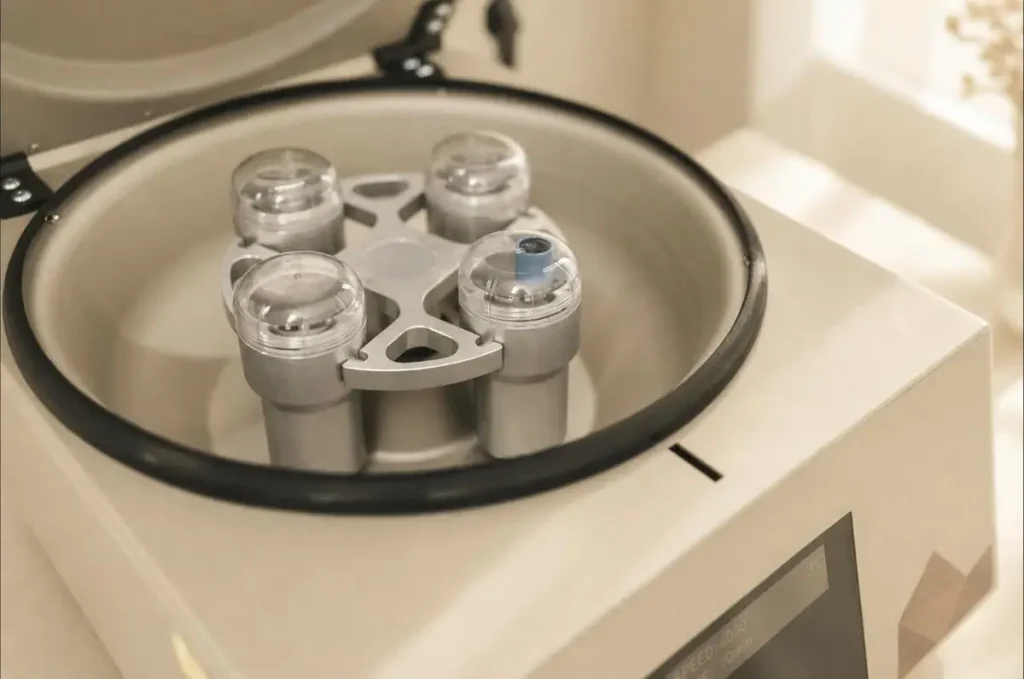
Testing

Heavy Metal and Toxicology Test

Mercury, lead, arsenic and cadmium exposure, measured in blood and urine.

  • OrderedAfter consultation
  • ResultsRead in a separate session
Heavy Metal and Toxicology Test at iLIV Clinic Damansara Perdana
Quick Answer

This test measures exposure to heavy metals and environmental compounds that accumulate in the body over time.

A heavy metal test measures exposure to mercury, lead, arsenic, cadmium and several other environmental compounds that build up in the body over years. The symptoms are rarely dramatic. Usually it is fatigue that will not lift, brain fog, or tingling that ordinary tests cannot explain.

Who a heavy metal test suits

  • Chronic fatigue that ordinary bloods cannot explain
  • Brain fog, poor concentration or short-term memory problems
  • Tingling or numbness in hands and feet
  • Work in welding, battery manufacture, electronics recycling or chemistry labs
  • Eating predatory seafood more than three times a week
  • Long-term use of unregistered traditional medicine products

How we run a heavy metal test

We take blood for current exposure and a twenty-four hour urine collection for accumulated burden. Some clinics offer provoked urine testing after a challenge agent. We do not use that as a first screen, because its reference values are not solid and people misread them easily. Hair samples sometimes help for mercury alone, although shampoo and dye contaminate them readily.

The details

Ordered
After consultation
Results read
Separate session
Branch
Damansara Perdana
Book Consultation
Interpretation

How we read results, and the limits

A high reading means exposure. It does not automatically mean your symptoms come from it. The first step is always identifying and stopping the source. Chelation therapy is not routine and we consider it only in confirmed poisoning under clinical guidance. We read results alongside a health screening and your symptoms. See the Ministry of Health Malaysia. Book a consultation.

Common sources of exposure in Malaysia

Large predatory fish such as swordfish and bigeye tuna carry more mercury than small fish. Lead still appears in some older paint, in imported cookware without certification, and in a few unregistered traditional medicine products. Cadmium comes from cigarette smoke and contaminated soil. Arsenic can enter through well water in certain areas.

  • Mercury: large fish, older amalgam dental fillings
  • Lead: old paint, unregistered traditional products, glazed pottery
  • Cadmium: cigarettes, contaminated agricultural soil
  • Arsenic: well water, some rice
  • Aluminium and nickel: occupational exposure

Preparation

Avoid seafood for seventy-two hours before sampling, since mercury from last night can lift a blood reading without reflecting real burden. Stop mineral-heavy supplements three days before. Tell us if you work in manufacturing, welding or electronics recycling.

Frequently Asked

Should I avoid seafood before the test?

Yes, seventy-two hours. Mercury from last night can lift the reading without showing real burden.

Is hair testing reliable?

Sometimes useful for mercury, although shampoo and dye contaminate hair easily. Blood and urine are more reliable.

If my result is high, do I start chelation?

No. The first step is identifying and stopping the source. Chelation is only for confirmed poisoning.

Still have questions?
Send a message. We reply during clinic hours.
WhatsApp Us

Start with one conversation

An initial consultation to understand your situation before any testing is recommended.

Damansara Perdana · I-City, Shah Alam · +60 14-801 6493

Standards and compliance

Registered doctors

Every doctor at iLIV is registered with the Malaysian Medical Council. Registration numbers appear on each doctor page and you can verify them on the public register.

Malaysian Medical Council register

Prescription only

GLP-1 therapy is a prescription medicine in Malaysia. It follows a consultation and a medical assessment, and it cannot be bought without a prescription.

Your data

We handle personal information under the Personal Data Protection Act 2010, and we use it only for the purpose you gave it to us for.

Privacy policy